


Household photovoltaic
2025-04-08 16:18
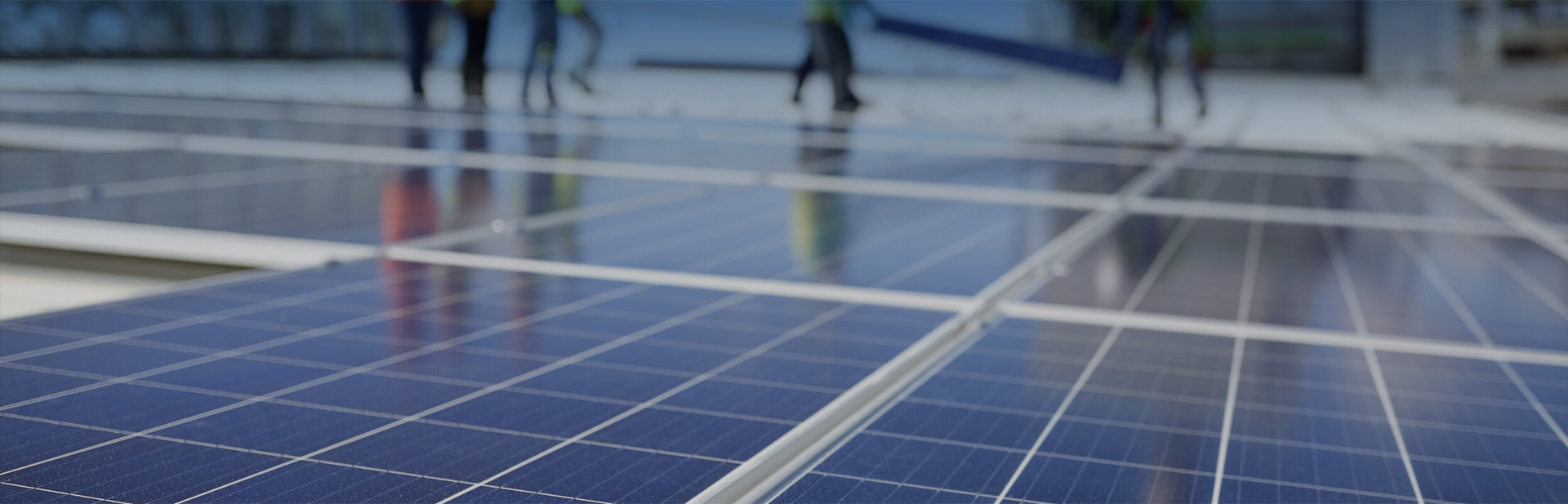
Household photovoltaic systems, commonly referred to as solar panels, harness solar energy to generate electricity for residential use. These systems consist of solar cells made from semiconductor materials, typically silicon, which convert sunlight directly into electricity through the photovoltaic effect.
When sunlight strikes the solar cells, electrons are knocked loose, creating a flow of electricity. This direct current (DC) is then converted into alternating current (AC) using an inverter, making it suitable for household appliances and the electrical grid.
The integration of photovoltaic systems into residential settings offers numerous advantages, including reduced electricity bills, energy independence, and a decrease in greenhouse gas emissions. Moreover, governmental incentives and advancements in technology have made solar energy more accessible and cost-effective for homeowners.
By adopting household photovoltaic systems, individuals contribute to a sustainable energy future, alleviate pressure on conventional energy sources, and take proactive steps towards combating climate change. As the technology continues to evolve, the efficiency and affordability of these systems are expected to improve, further enhancing their viability as a primary energy source for homes.
Previous: None
Next: None
Projects
3rd floor, Building 3, No. 1, Guliao 2nd Road, Tangxia Town, Dongguan City, Guangdong Province, China